
When walking through the maze of streets in the historical center of Córdoba, you can feel the history surfacing to the cobblestones under your feet. Place your hand on a wall in the Judería, the old Jewish quarter, and let the knowledge that was discovered here enlighten your entire soul.
Many cities or towns transform with the modern world and it is difficult to connect to the layers beneath that hide those former times. But wandering through a city like Córdoba, where around every curve in the road and at the end of each little alleyway, you are reminded about all of the days throughout history that its heart has been beating.
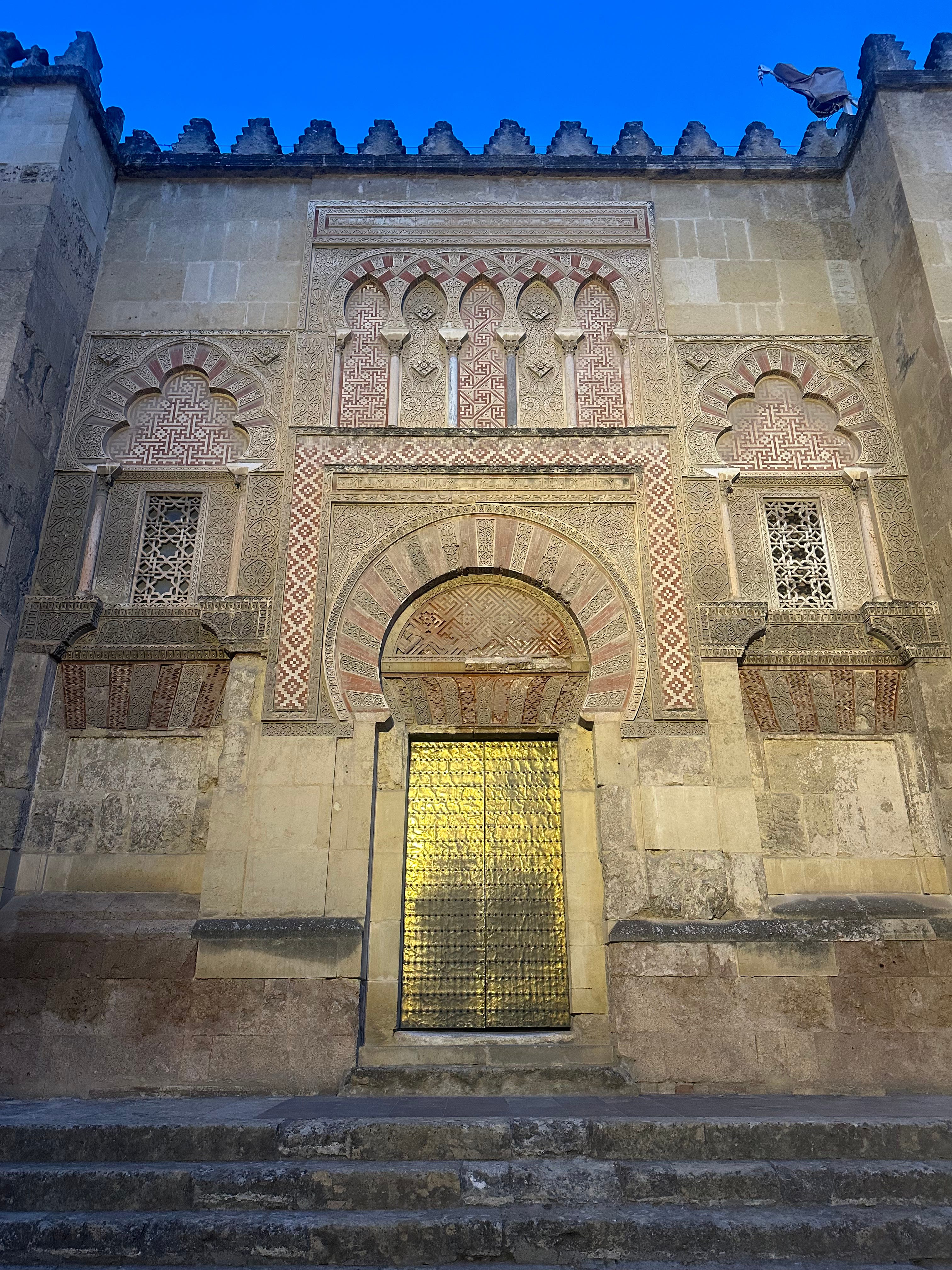
It is on my personal visits to Córdoba when I am overwhelmed with every memory that I was privileged to create on its streets, in its bar and restaurants, and in sharing its past and present with other travelers. Sometimes, in my niche of work, we have a distinct separation between our own personal travels and the traveling we do with others when we are forever thinking, organizing, teaching, and constantly “on”. There is also a sweet spot where the memories of these two worlds can collide. This happens when we share our personal stories about one of our sacred places with others.
The first time I laid my eyes on the Roman bridge in Córdoba was during my first year studying in Granada, thirty years ago. With a delicious mixture of French, German, Spanish and USA in the rental car, we set off to visit this city of Mudéjar1 horseshoe arches and Montilla2 wine. We devoured Córdoba in every meaning of the word. The arches of the Mosque/Cathedral towered over us like the Alps as our eyes inhaled the candy cane like pattern on each one of them. The roman bridge and winding streets of the Judería still remember, to this day, our laughter and innocent reflections about discovering a new place.
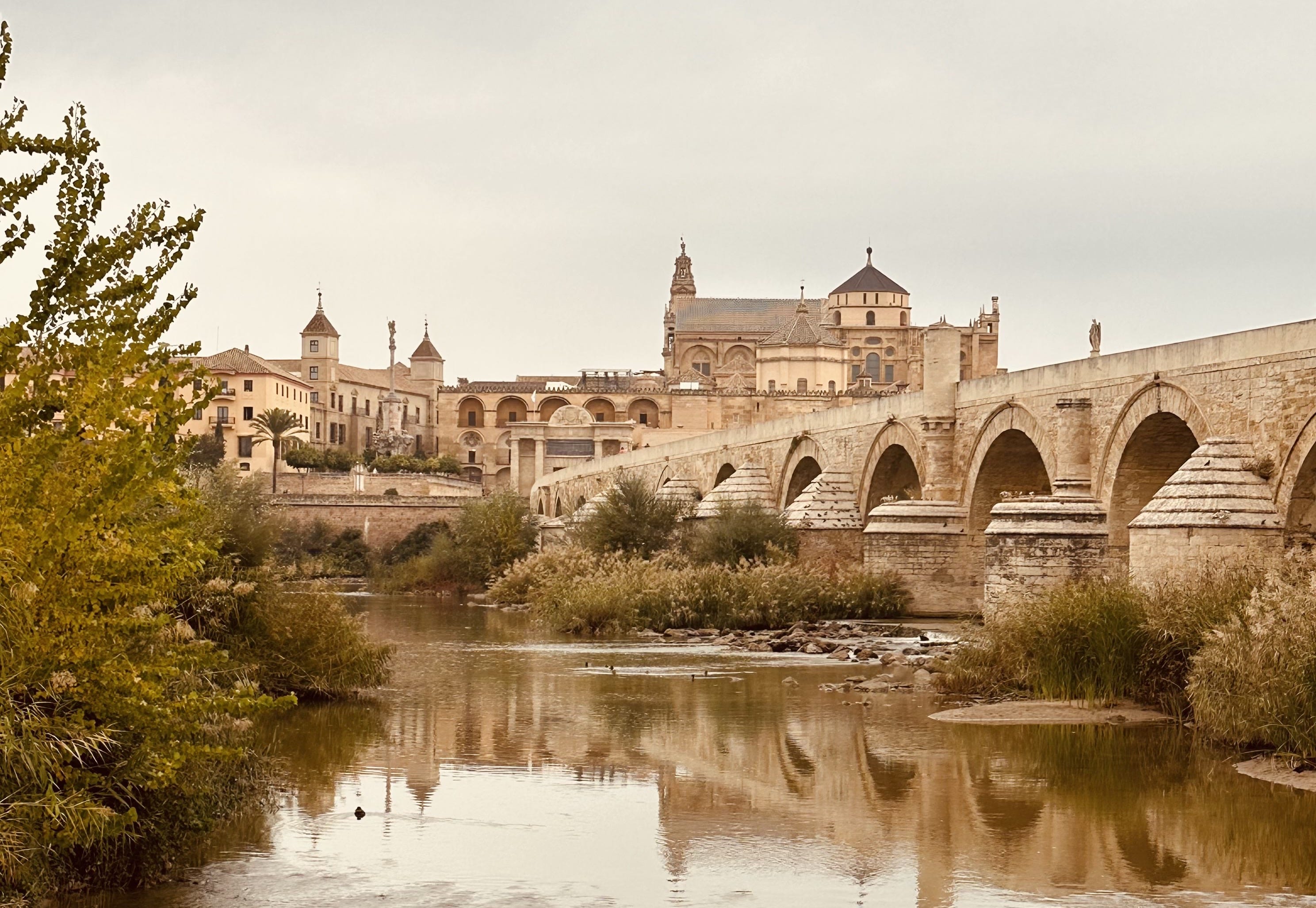
Lucky for all of us we had Marion, an experienced traveler and well to do student from Southern France, who directed us to the best wine and tapas we could find in the city. We brought all of our new found love for local wine and fried eggplant with sugar cane honey back to Granada with us.
The trip was unforgettable for many reasons. And the reasons multiplied when the next day, after classes, we stopped at our local bar for a few beers and tapas. We fell into silence as we watched the news on the bar’s tiny television. Not more than 200 meters from where we had parked our rental car while visiting Córdoba, there had been an ETA3 attack killing a young military sergeant from Granada, Miguel Ángel Ayllón. The following day, people flooded the streets in protest chanting BASTA YA4.
This was not my only brush with an ETA attack and/or threat, but it is one that clearly marks the first time I visited this beloved city. It began a relationship that continues strong until today. Now, under my arm, I hold thirty years of moments spent here.
Last week we decided on a Córdoba in slow motion trip that was only made more romantic by the rainfall that cleaned the well passed streets. I paused on quiet plazas, inhaled the damp air, and took different photos to add to my collection.
Córdoba is a city that pulls you in and holds on tight. It has a charm and light to it that resonates in its people that pour out of bars onto the streets, drinking cañas (small beers) and tapas. Some of my favorite people were born in Córdoba and their unique belleza puts them straight into a painting by Julio Romero de Torres, a local artist. It is the perfect midway between bohemian Granada and aristocratic Sevilla.
When you are in Córdoba, personal contact with the Cordobeses is obligatory. I refer to conversation, although their physical qualities and lightheartedness may leave you desiring more.
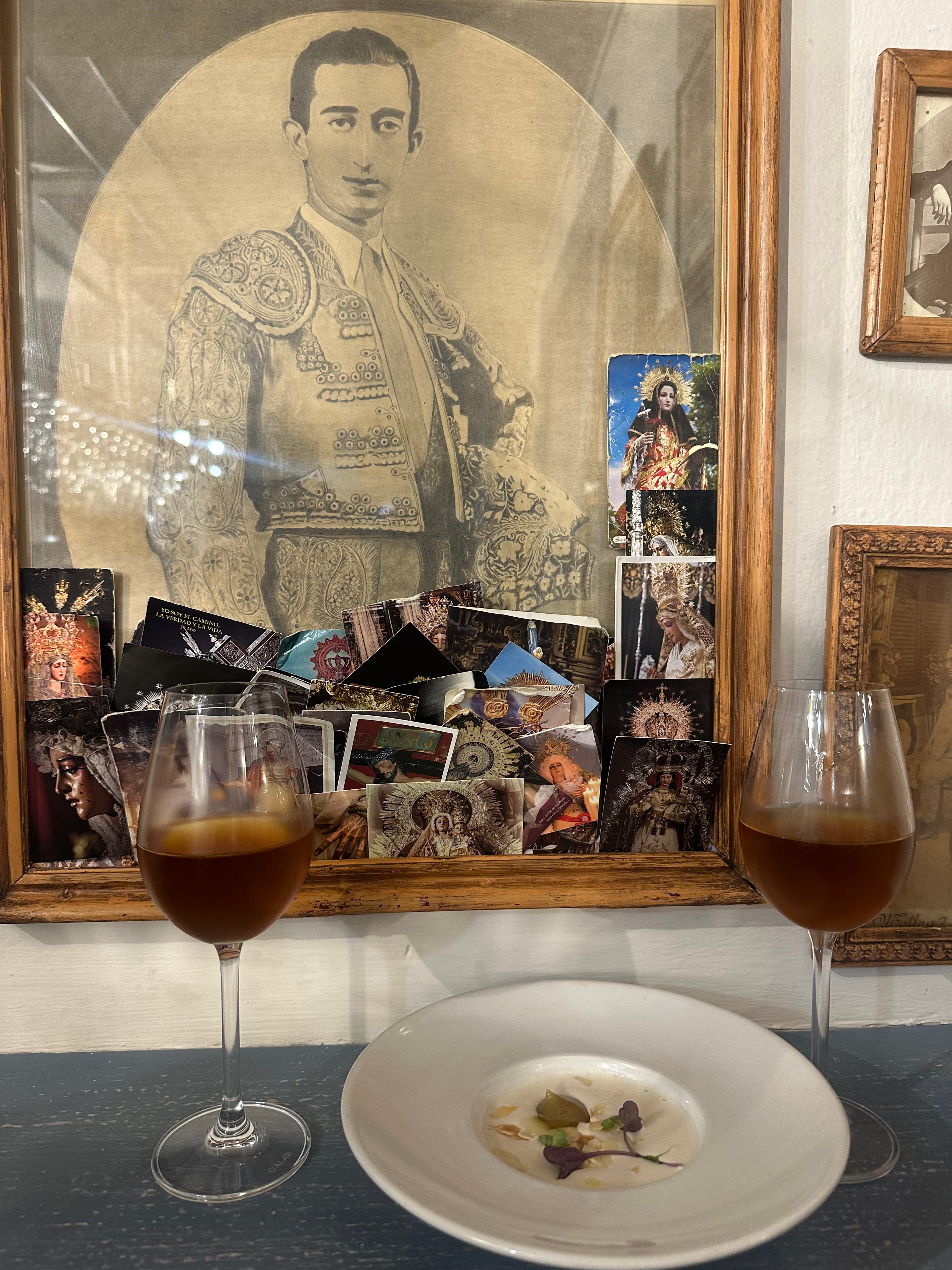
Walk into a bar when it is early enough to not feel like a canned sardine. Begin a friendship with your bartender asking what they recommend to eat and drink. The pride that will fall from their lips becomes contagious. In one of my favorite bars, the gentleman behind the bar will share his knowledge about the local wines in a way that seems like an opera. His crisp white jacket reminds us of how respected his profession continues to be here.
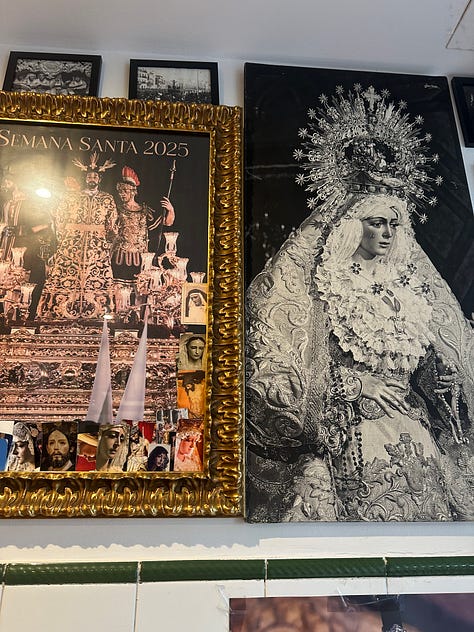
In another of my favorite spots, a bit off the beaten path, you will be able to watch videos of the Easter week processions during all of its opening hours. On any afternoon or late evening you will be surrounded by cheerful Cordobeses enjoying those type of dishes that may not make you fall in love at first sight, but once they touch your tastebuds you will be inebriated with greasy passion. A mollete de pringá is a traditional bread filled with various chopped meats slow cooked until tender. Like the long lost cousin of a Chicago Italian beef sandwich.
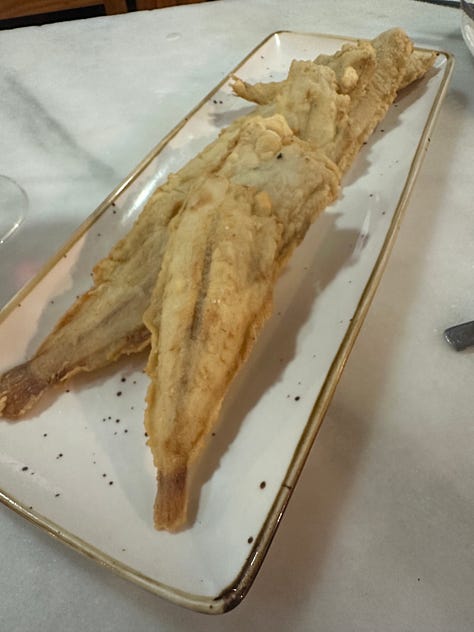
Don’t forget to ask your new best friend bartender about any dishes they might have that are not on the menu. This is where we find some of the best dishes, like fresh fried fish from one of my favorite towns, Sanlucar de Barrameda. In one of the “most popular with locals” restaurants, we had these fried baby sole, a lovely salmorejo5 and a cheesecake made from a local cured sheep’s cheese. Gastronomic bliss!
I frequent the same hotels in Córdoba when working, so it is always fun to choose my own place to stay. The small hotel I chose was a peaceful paradise within the winding streets of the busy historical center. With each night that we stayed we were gifted two hours of complete relaxation in their Arabic baths. Arabic baths in Spain are quite different than in other countries, like Morocco. In Morocco you come out cleaner than you have been since birth. In Spain, they are a relaxing dance between the hot, tepid and cold baths with the addition of a steam room. It can only be perfect by the addition of a massage and in this case a float in the outdoor salt baths.
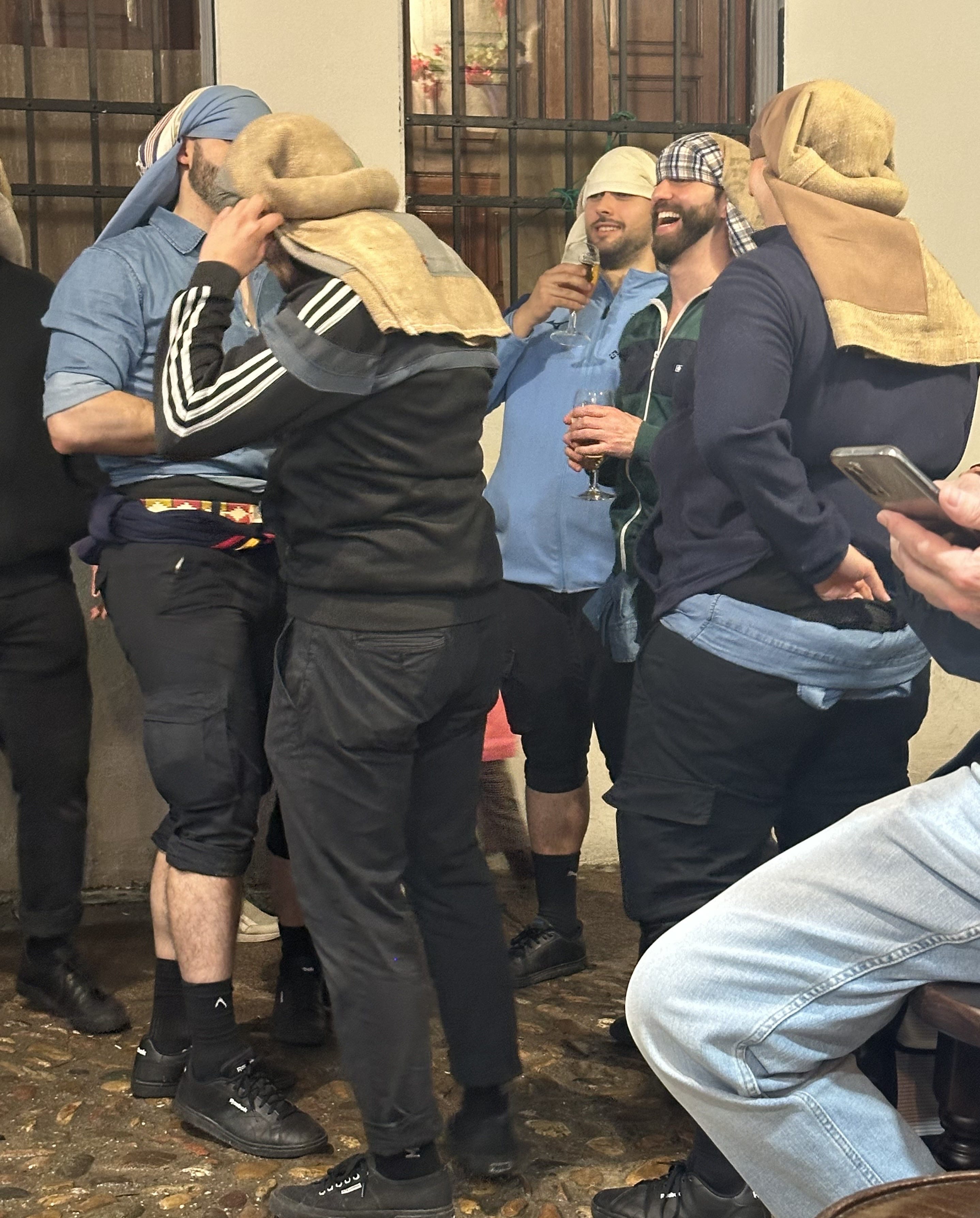
Those three days in Córdoba felt like a complete reset and rejuvenation for me. I fell in love even more with this enchanting city. I will leave you with one of my favorite photos that I took during Easter week last year. Please stay tuned for my next article about fulfilling one of my gastronomic dreams during this visit!
Thank you, as always, for walking this camino with me.
If you want to read more about the local foods you can read my Historically Refreshing series on my homepage.
1 Type of art and architecture used in Iberian communities from the 13th to 16th centuries.
2 Fortified wine produced in Andalucia
3 Spanish Basque Nationalist and Separatist party. 1959 to 2018. I will touch more on this in future articles.
4 A Spanish grassroots organization uniting individuals and political parties against violence, mainly ETA. Basta ya translates to Enough is enough.
5 A tomato cream with bread, garlic and olive oil.

 MOONINSPAIN
Leave a comment