
There is only one thing that can really pull me out of a dark place when life gets to be a bit too much, and that is a long walk. I don’t mean a stroll along the river which I do almost daily or even a few hour hike with my dear friend Wendy. But, a considerable one that leaves me with a blister or two and that hell yeah feeling in my whole body. A couple of weeks ago my partner saw me plunging deeply after the worst few months that life could throw at me and suggested we do a hike that has been in our back pockets for a few months.

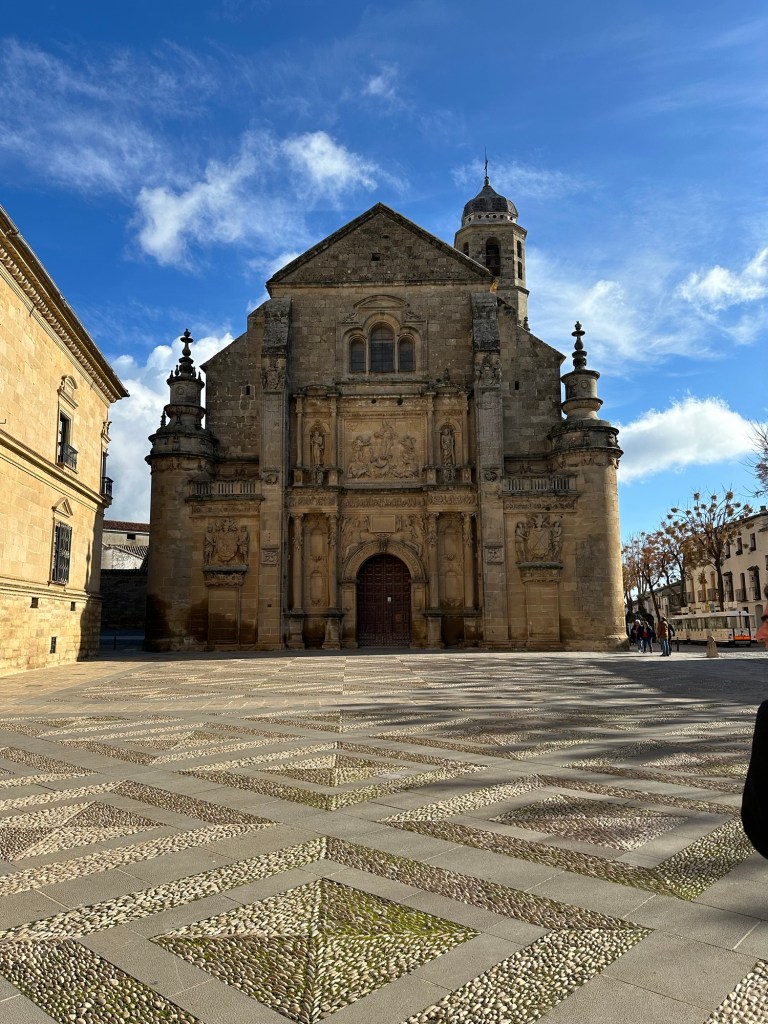
Last fall we had spent a night in Úbeda and met up with my dear friend Andrea for dinner that overflowed into a couple gin tonics. Andrea is not just a fantastic conversationalist but also a wealth of information about this area in Spain. At one point in the evening we got on the subject of one of my favorite Spanish authors, Antonio Machado, and the time he spent living in the neighboring town of Baeza. Andrea mentioned a path that was about to be inaugurated by the people from the towns of Úbeda and Baeza. He explained to us that …it was a hike that already existed but would now be officially recognized as the walk that Antonio Machado and the 16th century priest and mystic Saint John of the Cross did between the two towns during their separate stays in the town of Baeza. The path has always been known as the Path of Saint Anthony.
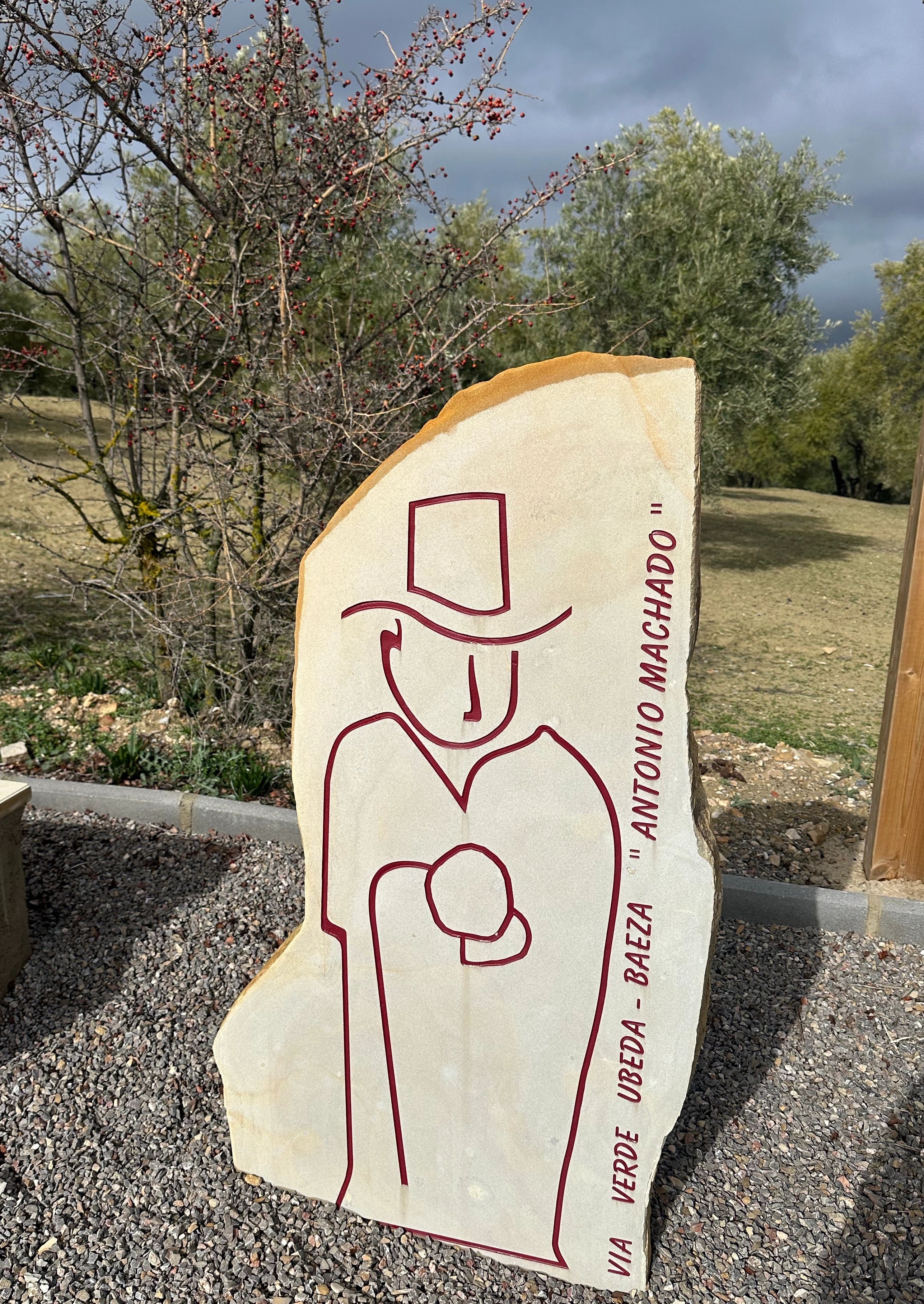
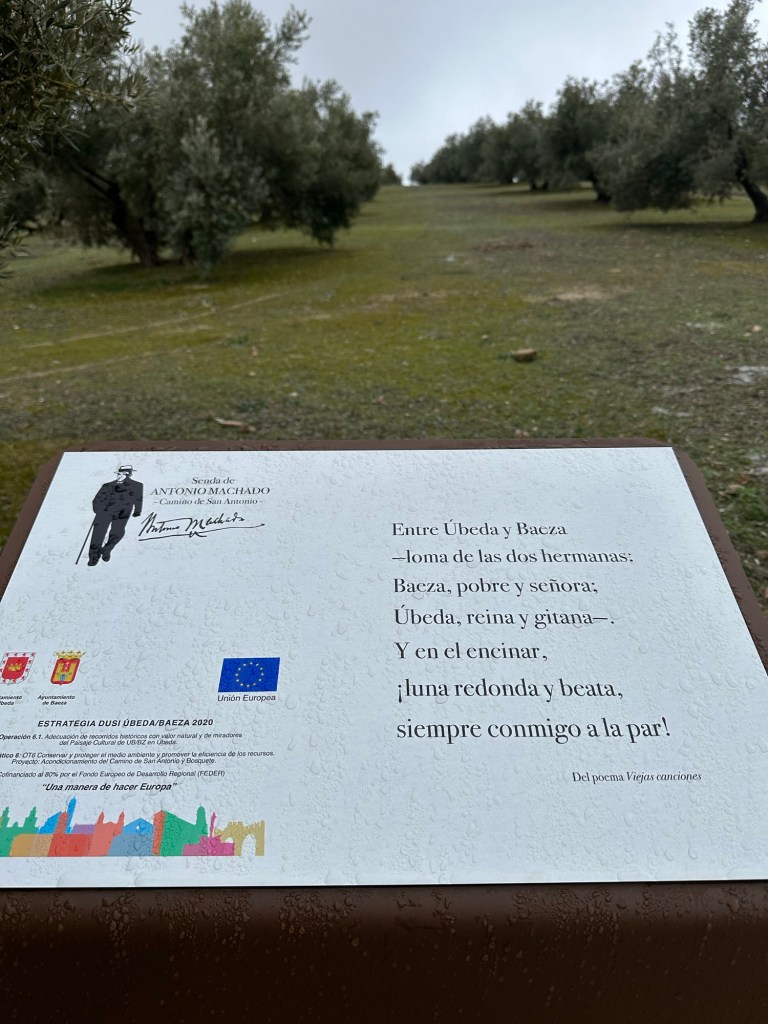
Antonio Machado was one of Spain’s greatest poets and was part of the Generation of 1898, a group of writers and philosophers that formed during the time of the Spanish American War. Machado was a native of Seville but studied in Madrid and spent time in Paris and Soria (Castilla y Leon), inspiration for his book of poetry Campos de Castilla. This is also where he met the love of his life, Leonor. Their love story ended as soon as it began when Leonor passed away at the young age of 18 after only a few years of marriage with Antonio. It is after this tragedy that Antonio, unable to obtain a teaching position in Madrid, is sent to Baeza as a French Professor. Machado expressed his lack of excitement of Baeza in letters to author and colleague Miguel de Unamuno. He killed his time and boredom walking amongst the olive trees between Baeza and Úbeda and the Sierra de Cazorla.

A beautiful moment in the history of Spanish poetry happens in Baeza in the year 1916. A professor from the University of Granada takes a group of students to visit the monumental town of Baeza (73 miles north of Granada) and to meet his cherished friend and poet, Antonio Machado. Within this young group of students was Federico Garcia Lorca, future poet and playwright. During this visit the students had the good fortune of listening to Machado recite his both own poetry and a poem by Nicaraguan poet Rubén Darío. He was a close friend of Machado and had recently passed away.
That evening a magical moment happens in the old Casino when Machado repeats the poem by Darío and Lorca plays a piece by the Spanish composer, Manuel de Falla, on the piano. Not only did this moment begin a long friendship between Lorca and Machado but it also moved Lorca towards his literary vocation. Both Garcia Lorca and Machado died during the Spanish Civil War. Lorca was assassinated near Granada in 1936. Antonio Machado wrote a poem about his death titled, “The Crime was Done in Granada.” Machado died while in exile in France in 1939.
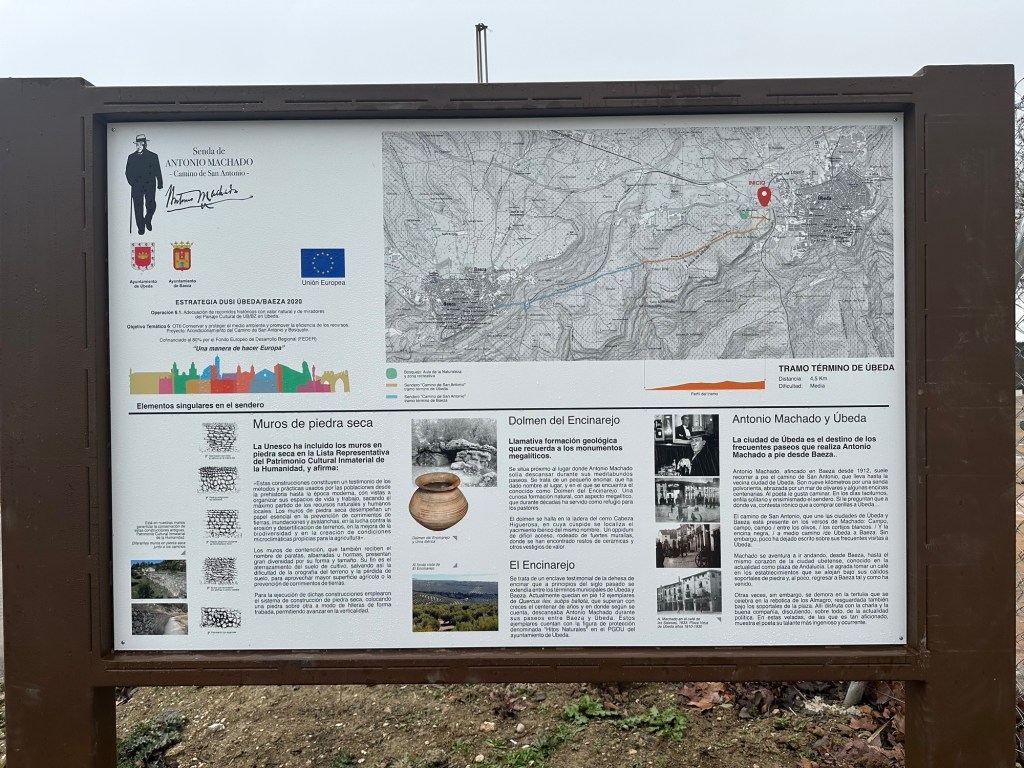
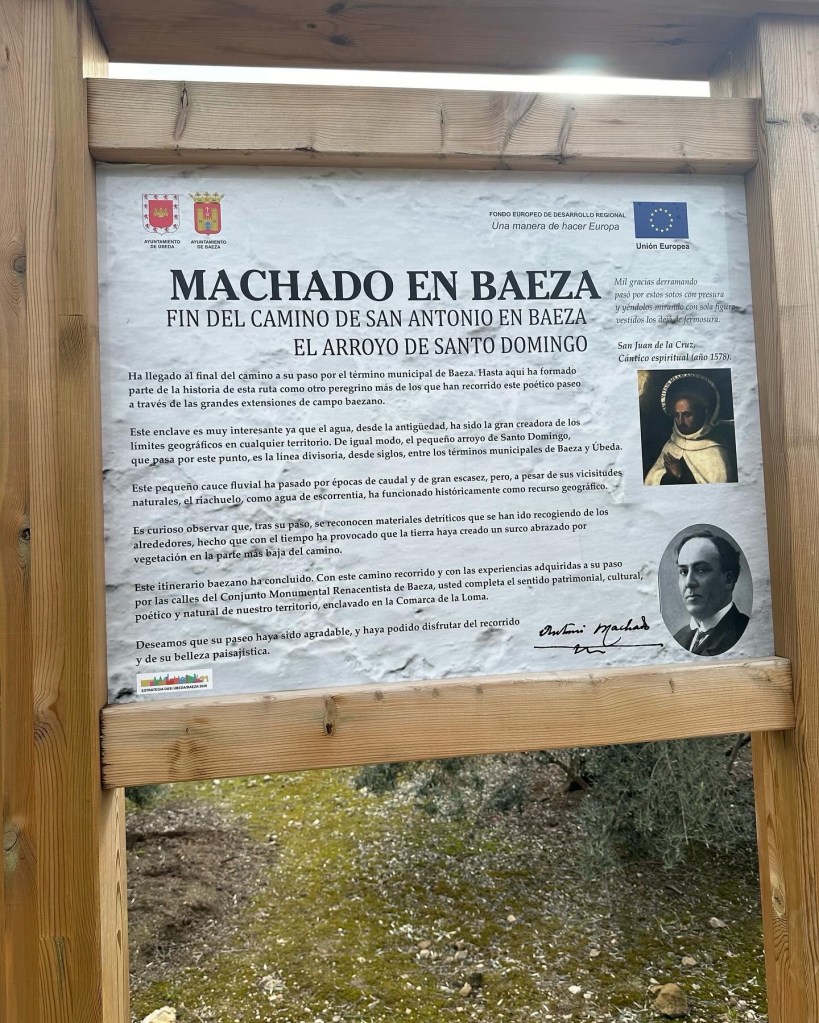
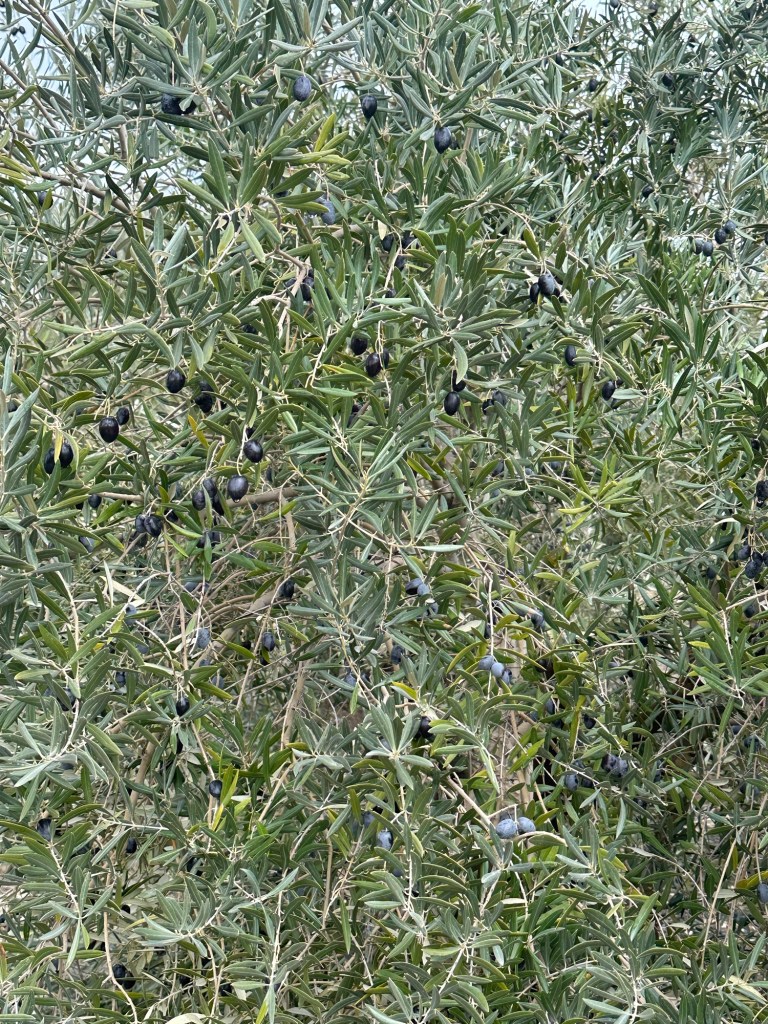
This path, which covers 8 kilometers through the olive tree groves between Úbeda and Baeza, is marked with the memories and poetry of Machado and also the story of Saint John of the Cross. San Juan de la Cruz was born into a family of Jewish converts in the province of Ávila, Castilla y León. He studied philosophy and theology at the University of Salamanca and was eventually ordained as a priest. In his travels he met the Carmelite nun and mystic poet Saint Teresa of Ávila. Together they worked on the reformation of the Carmelite known as the Discalced Carmelites. Saint John of the Cross was eventually imprisoned and tortured by those who were against the reformation. In 1579 John moved to the town of Baeza where he worked as a rector for Andalusian Carmelite friars. Saint John of the Cross died in Úbeda and the public hospital, where my daughter was born, now bears his name.

Most people choose to do just one way beginning in Ubeda or Baeza but we started our walk at the Parador in Úbeda and decided to do the round trip which ended up being about 23 kilometres from the Parador in Úbeda to Baeza and back to our small hotel in Úbeda. Along this route through the olive tree groves you can also see the megalithic dolmen encinarejo, named after the encina (Holm Oak) which is one of the native trees in this area. It was dominant in this land before the massive planting of olive trees. The landscape and poetry turn this simple hike into a literary experience regardless of if you are already an admirer of Machado, or enjoying your first taste of his writing and life story.

Dad, I hope you are reading this from above. You were one of the best supporters of my blog. I miss you.

And thank you to my fall group who turned into a family and has inspired me to keep writing.




 MOONINSPAIN
Leave a reply to Valerie W Mike Cancel reply