
My first semester in Granada 30 years ago I had a friend with whom I would spend time speaking a mixture of Spanish and English and wandering about the streets stopping here and there for a caña and tapa or two, or ten. MariAngeles was her name, Mary of the Angels. In retrospect she was anything but an angel. She could have been named Maritraviesa* or Marimarchosa*. She loved to party and flirt and take life to the limit. MariAngeles explained to me that she was from a town unlike any other in Andalucia. Úbeda, somewhere up in the mountains of the province of Jaen. She told me that from her town you could see only olive groves for kilometres and kilometres. “Es diferente, no sé como explicarte.” Since she couldn’t find the words to explain why her town was so different than anywhere I had seen until then in Andalucia, she decided to take me there during the town’s fiestas. One thing I have learned since is that if you want to really see a town, don’t go during its fiestas. Not because you won’t have a fantastic time, but because you won’t actually SEE the town or city itself. Especially if you are a young student. The streets are filled with people drinking and dancing, the bars are packed to the gills and any type of normalcy is completely put on hold. Needless to say, Úbeda was a blur of beer, wine, copas and loud music. Besides a fat hangover, I did take back to Granada a memory of the unique architecture. Different than anything I had seen, just like Mariangeles had promised.

Fast forward 12 years and I find myself in Úbeda to give birth to my beautiful daughter. Who the heck goes to Úbeda to have a baby? Especially if you are living just outside of Madrid at the time. Well, there happens to be a small club of now 18 year olds in Granada who were all born in Úbeda. There was a short time when an amazing group of midwives ran the birthing centre at the public hospital, San Juan de la Cruz. Natural births, no actual obgyn´s unless an emergency required one. All inclusive with our public health care. Homemade food included. So, my little Luna was born with a view of olive groves from the window. Many times I have thought that I should have named her Oliva. Needless to say, Úbeda will always be a synonym to Luna.

My relationship with Úbeda has continued and grown since then. I am blessed to have spent many nights in the parador and to have shared this very special town with many travelers through the years. The main square named Vazquez de Molina is an architectural goldmine. Here you will find the parador which is a 16th century palace built as a private home, the Chapel of San Salvador, the Basilica of Santa Maria and the Palace of the Chains which is one of the best examples of Renaissance architecture in all of Spain. Andres de Valdemira was the architect for the parador and the Palace of Chains. The architect of San Salvador, Diego de Siloé, was also responsible for the Cathedral in Granada. But, while enjoying the beauty of Renaissance in Úbeda we must not forget that the history of the town dates back to pre-Roman times and was a stronghold during the glory of Al-Andalus, the time of Muslim rule on the Iberian Peninsula.


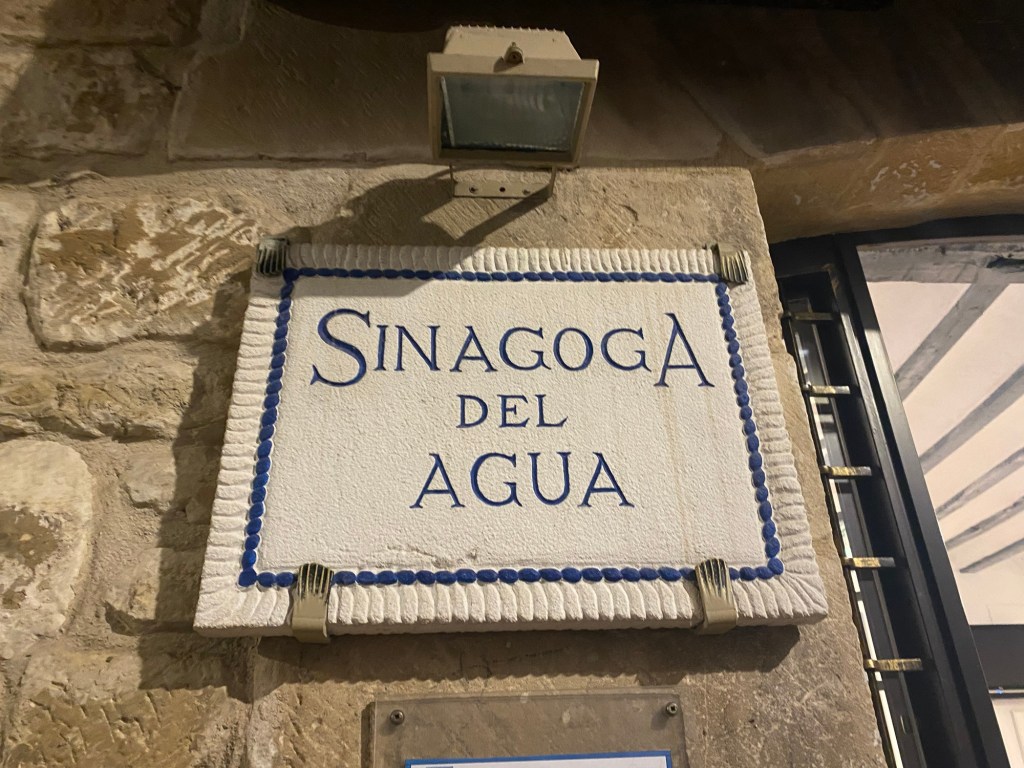
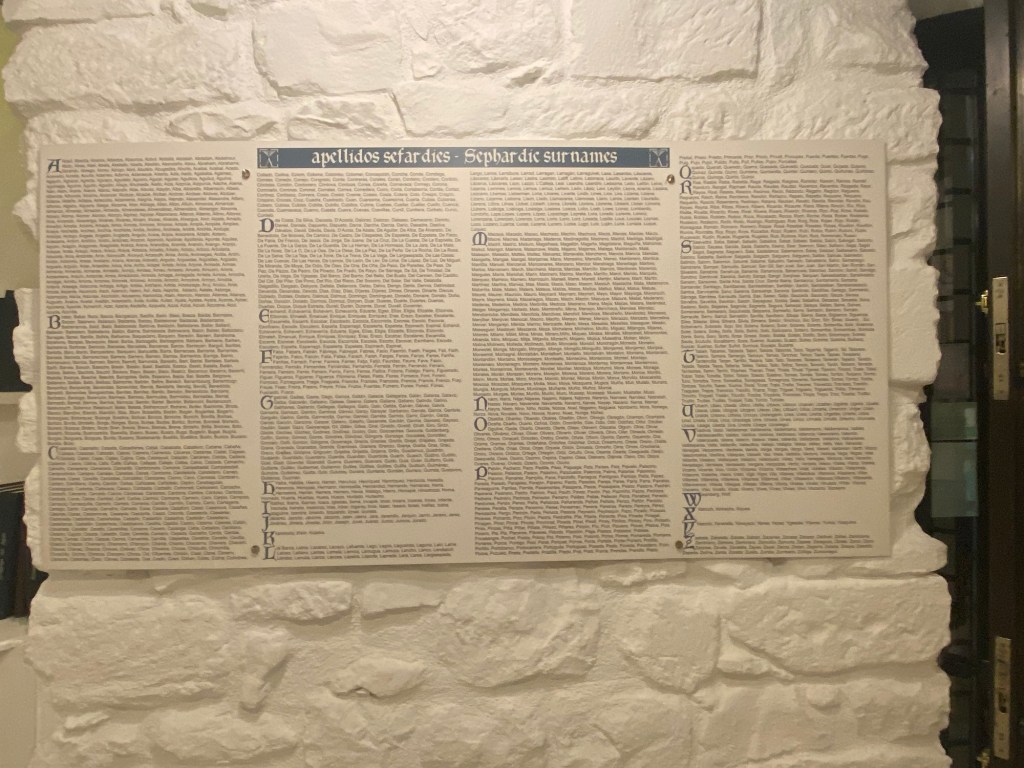
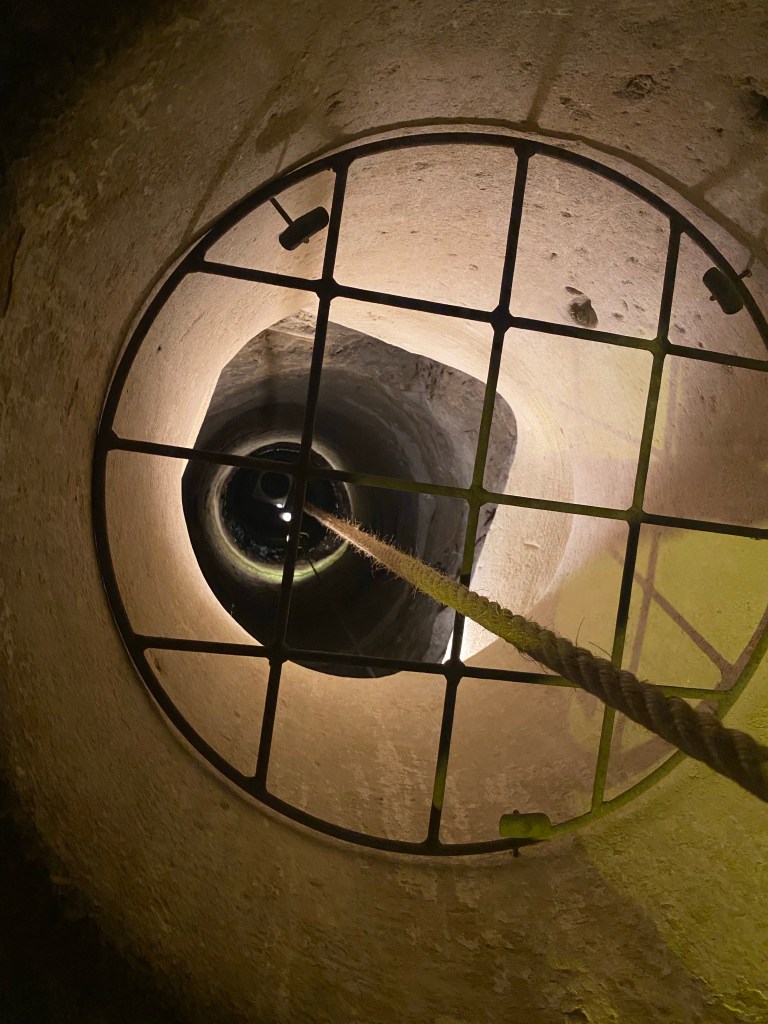
You will also find symbols representing the Jewish people who helped this town flourish financially and socially until their expulsion in 1492. Hidden down a side street in the center of town you will find the great discovery of Úbeda, The Synagogue of Water. This is a pre-14th century synagogue that was discovered while converting the building from a hair salon to touristic apartments in 2007. They discovered the arches of the synagogue, the Women’s Gallery and the Micveh. Every year during the summer solstice the sunlight shines through a small window directly onto the Micveh. You can look this up on YouTube to experience this magic.


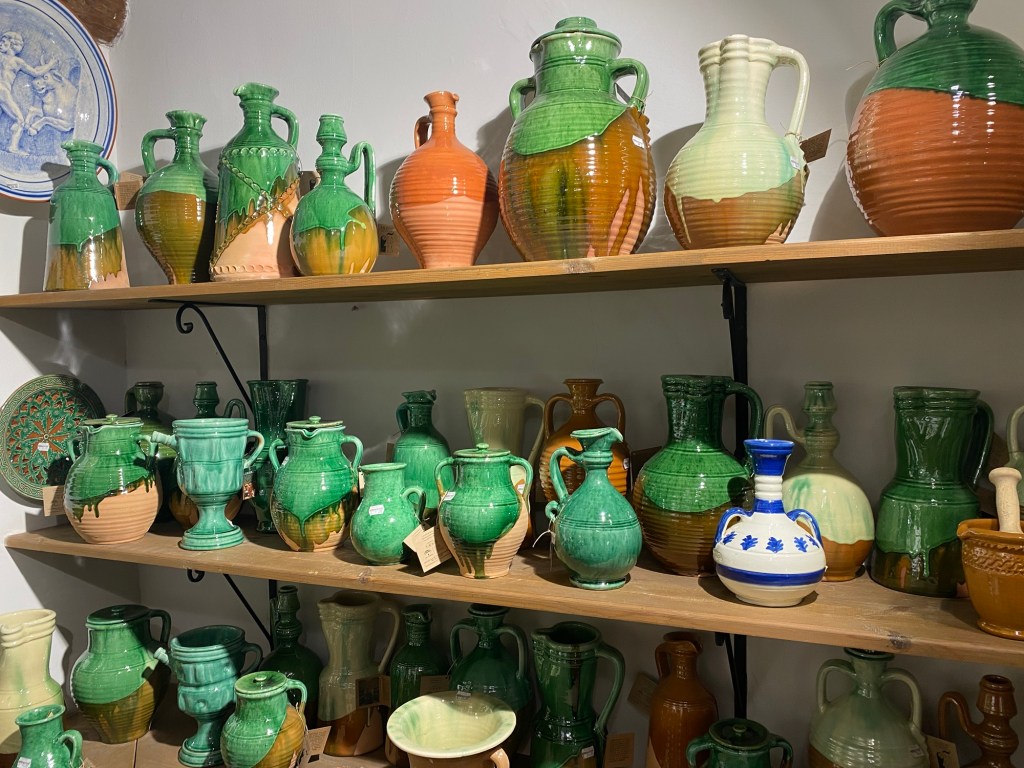
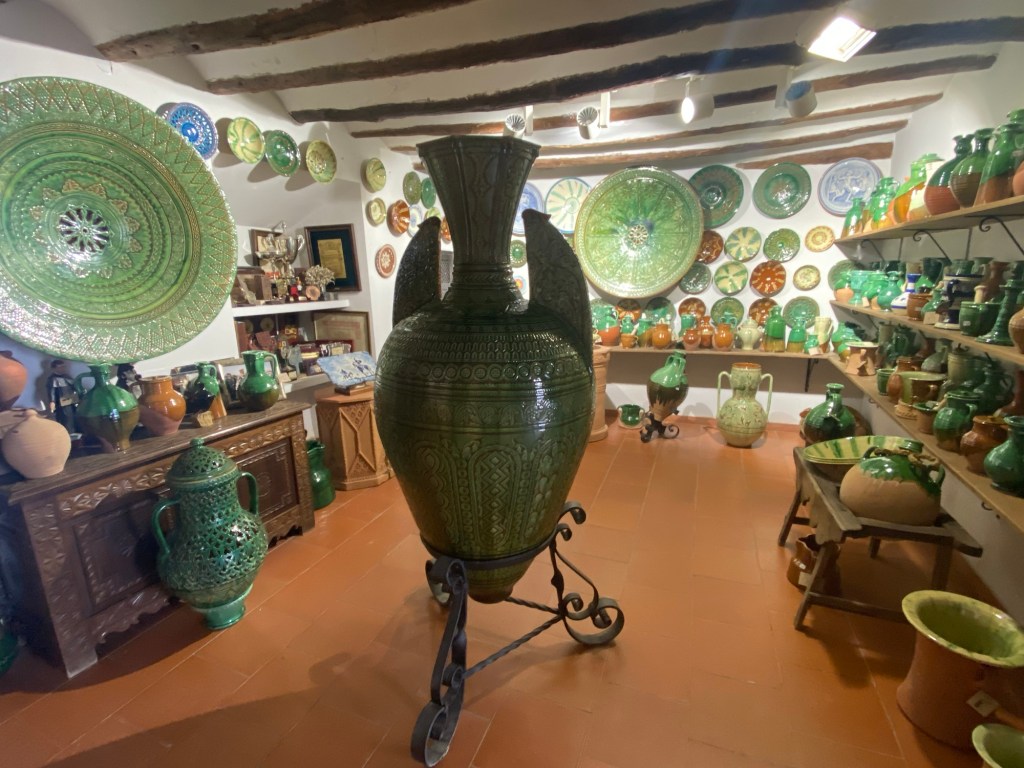
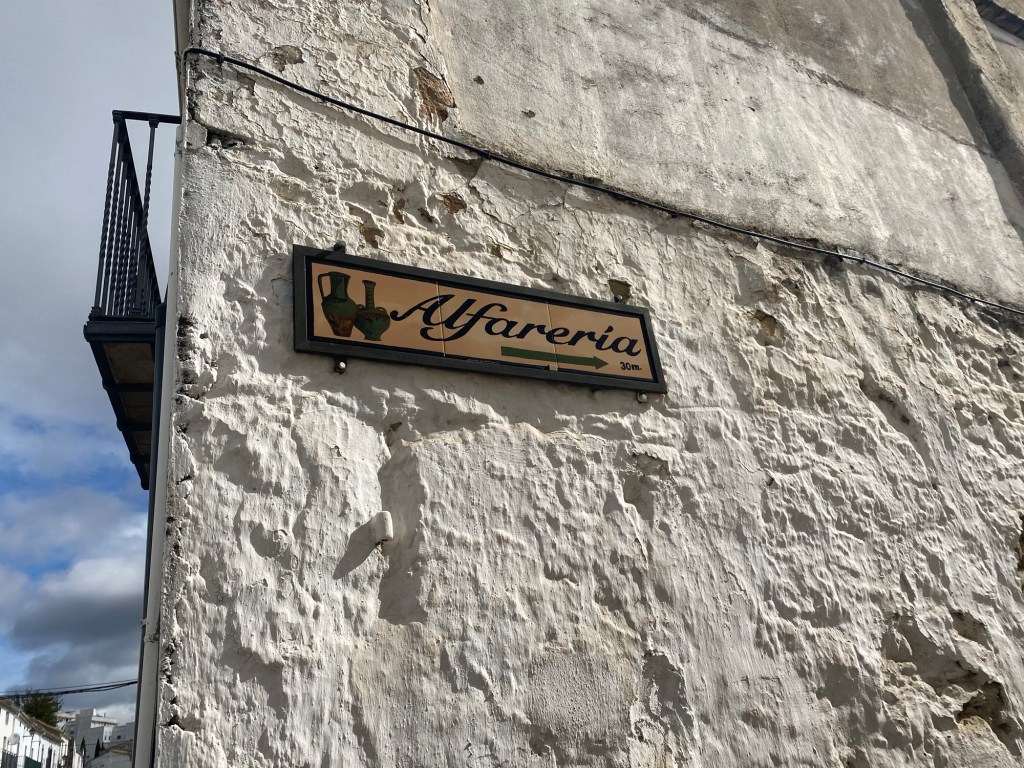
Another of my favorite areas in Úbeda is San Millán, a medieval quarter on the outskirts of the town, where you will find the Alfareros or the pottery artisans. The pottery shops, museum and workshops are filled with cooking utensils, pots, pitchers for wine and water and the traditional Andalusian alcuza used to serve the olive oil, or liquid gold as we called it here. The most common colors you will find here are the glazed green and blue.
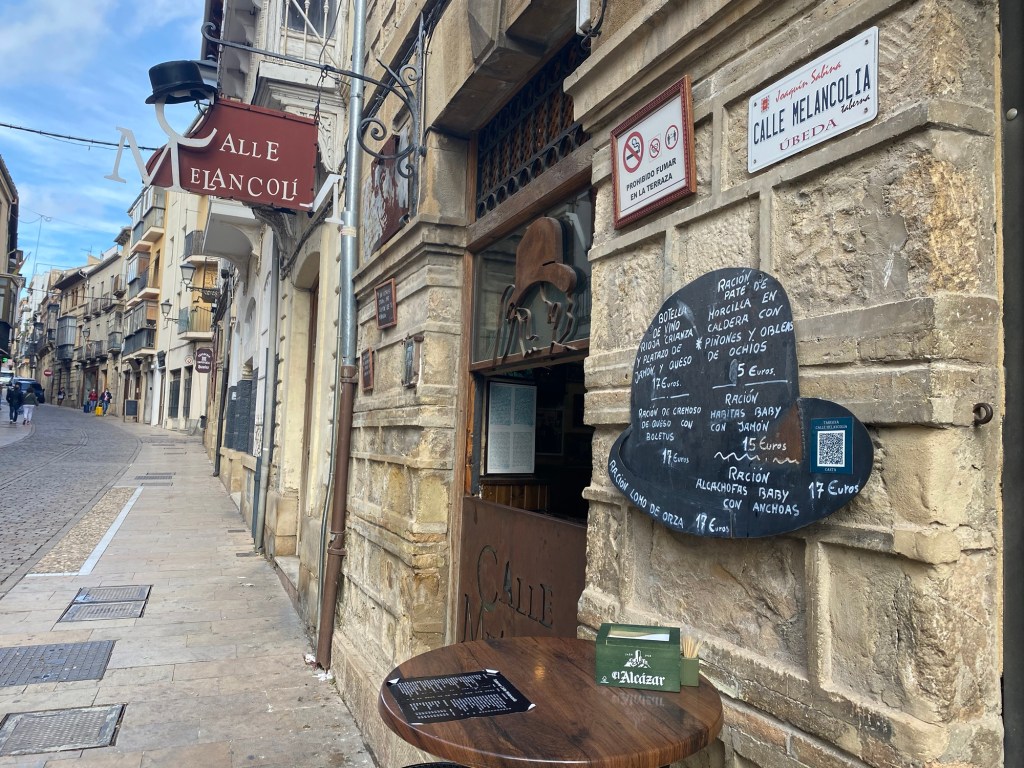
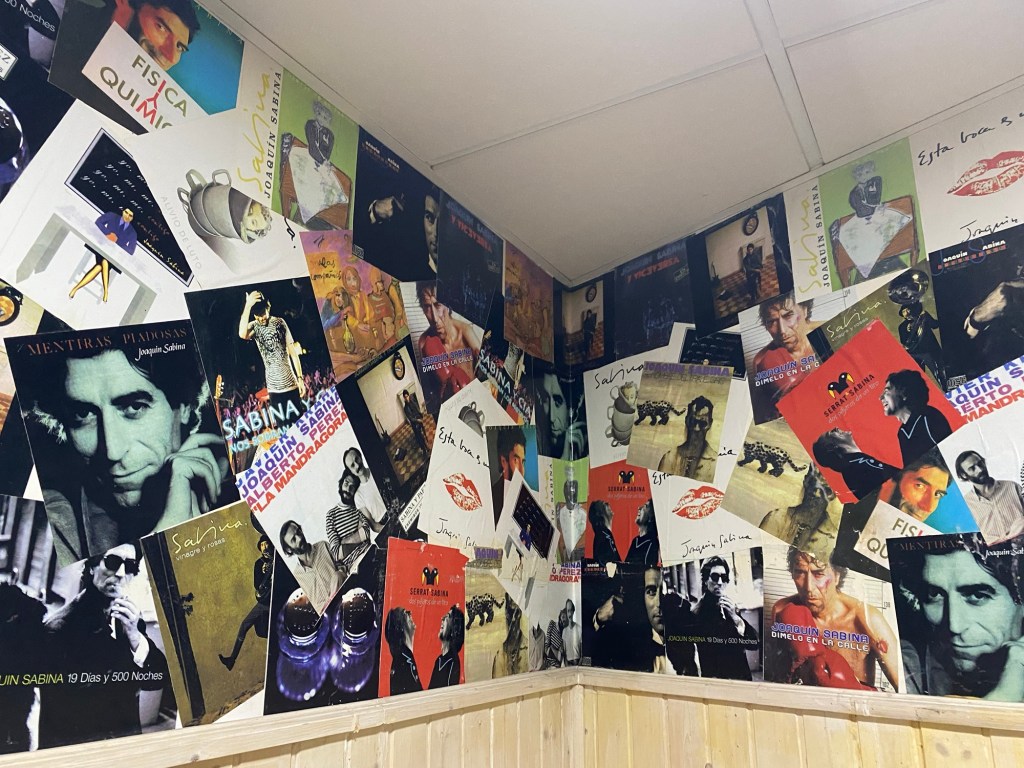
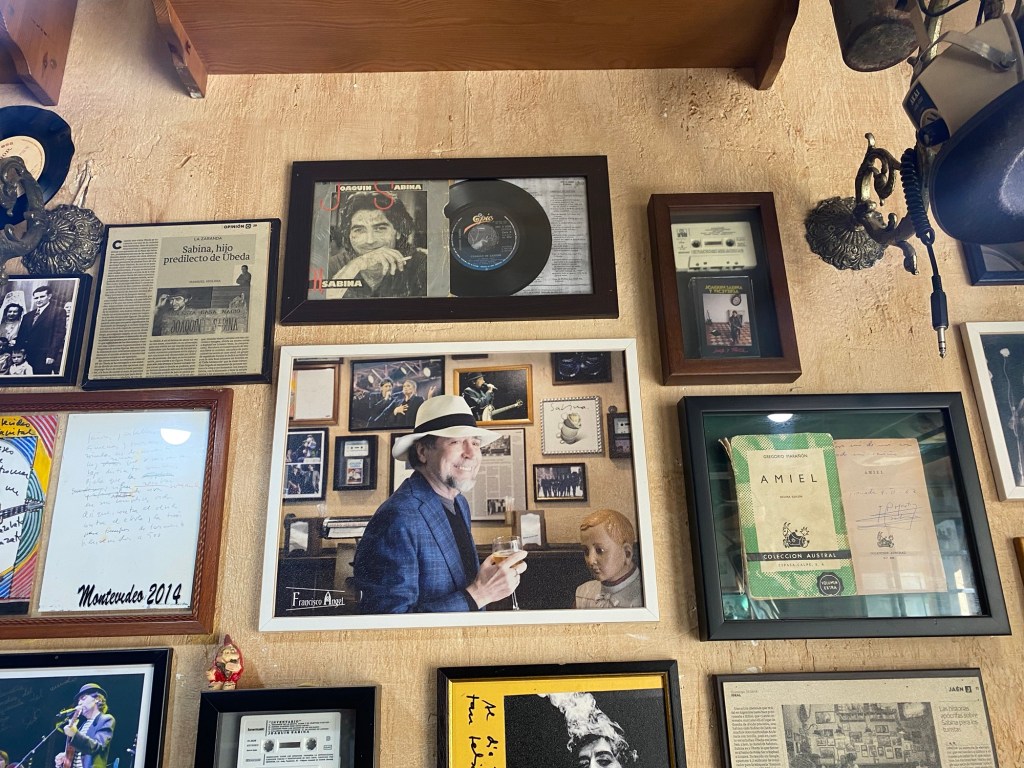
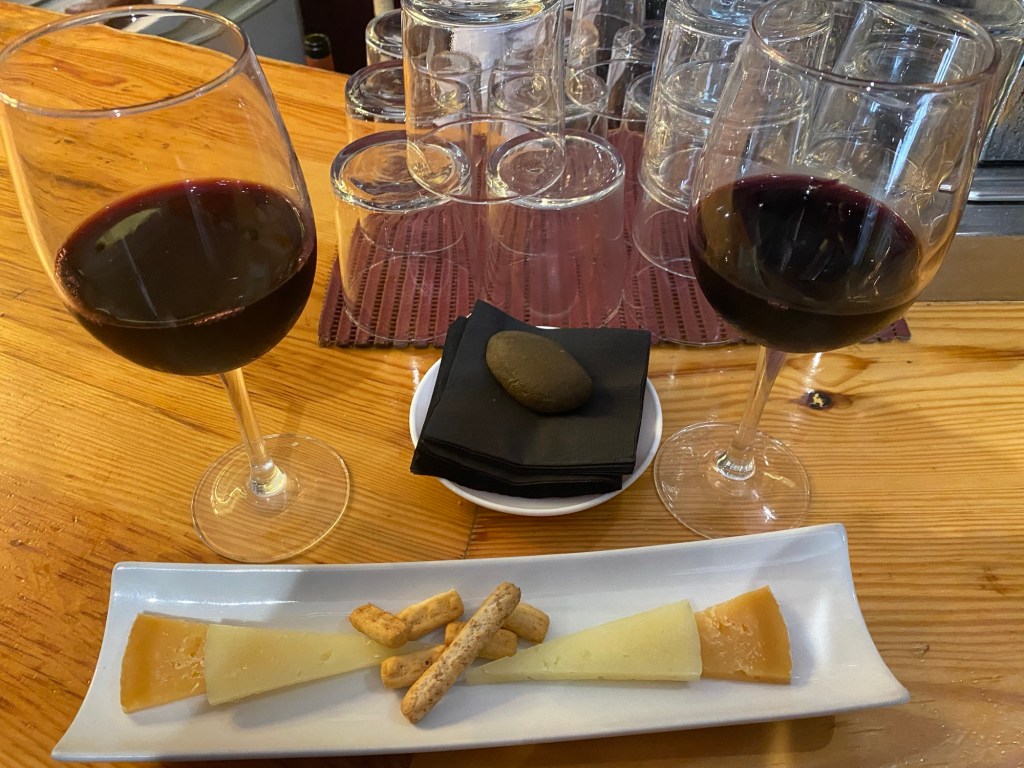
If you are a person who is moved by music you will usually have soundtracks that take you back to the different stages in your life. I can trace my soundtracks clearly from childhood up until now. One that carried me through a certain and fairly long period of my life was the music of Spanish singer/ songwriter/poet, Joaquin Sabina. Sabina was born in Úbeda, studied at the university in Granada, spent time in exile in London during the years of the dictatorship and resides in Madrid. In Úbeda you will find a bar called Taberna Calle Melancolía dedicated 100 percent to Sabina. Here you can munch on a tapa or two accompanied by a wine and Sabina´s voice which plays through every opening hour.
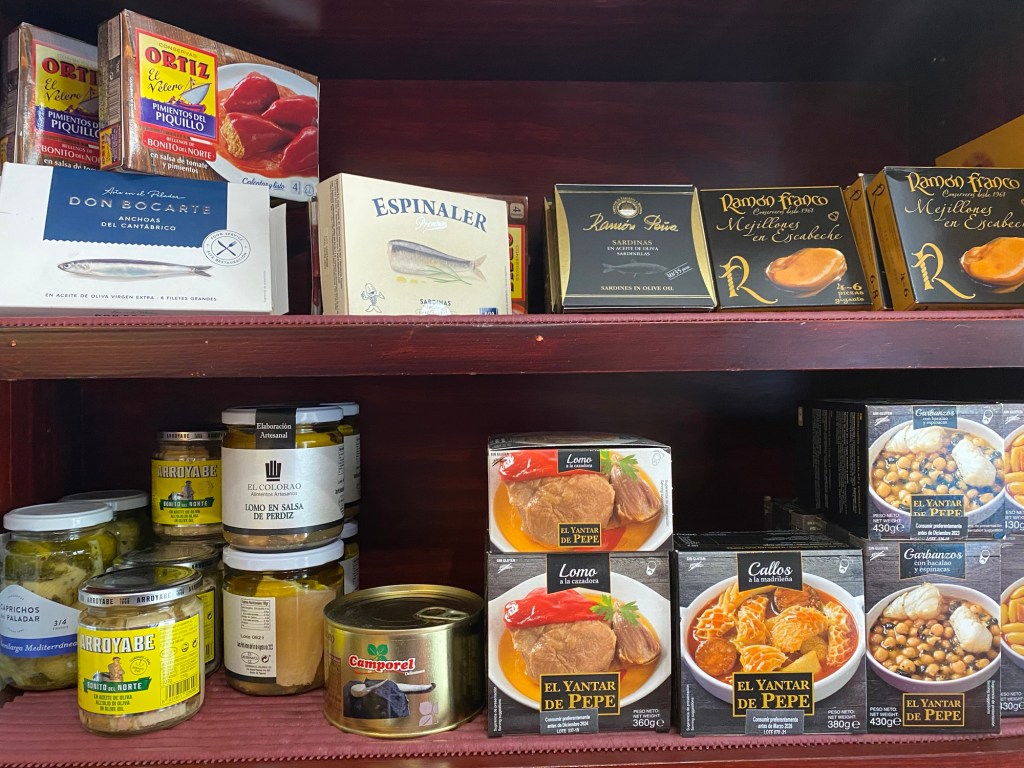
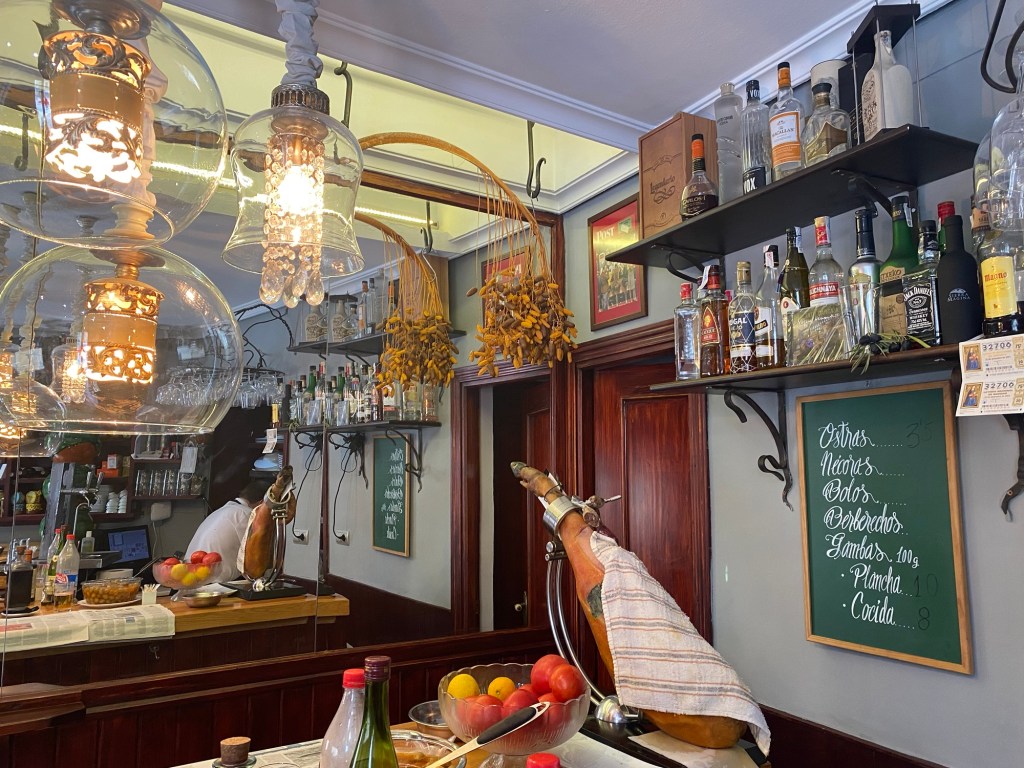
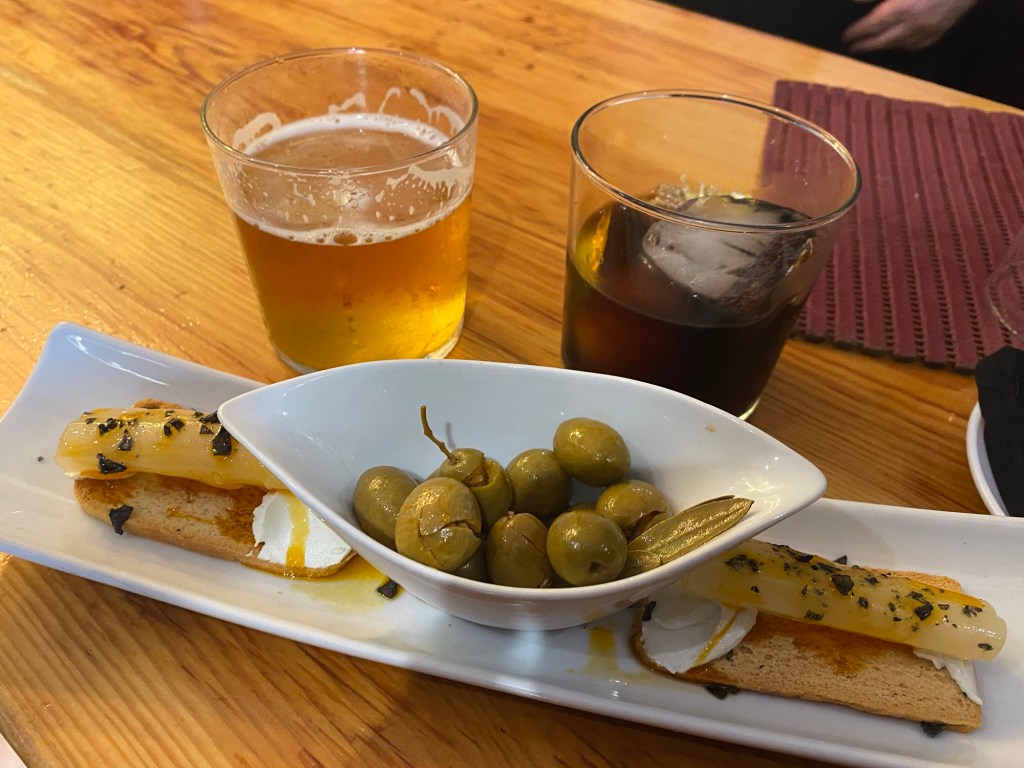
It is easy to get wrapped up in the beauty and history of Úbeda but one always needs to eat! Usually food and wine is the focal point of my travels so I do not want to forget one of my favorite places to tapear in this town. Located near the Plaza de Andalucia you will find a tiny placed called, “Al Fondo hay Sitio”. “There is Room in the Back”. The base of this bar´s tapas are what we call in Spain, conservas. Canned goods if you will. Nowadays the whole world is talking about tinned seafood products from both Spain and Portugal. As my friend Jorge says, the shops look almost like Disneylandia. Canned goods have always been an important food source in the world for many reasons throughout history. At this beautiful bar you will find only the best and maybe not things you would imagine. Albacore tuna, chickpeas with salt cod and spinach, piquillo peppers stuffed with foie and beef with a grape sauce, 3 different types of pork loin, white bean stew from Asturias, ox tail, or pickled partridge. Order a glass of great wine and take your pick.


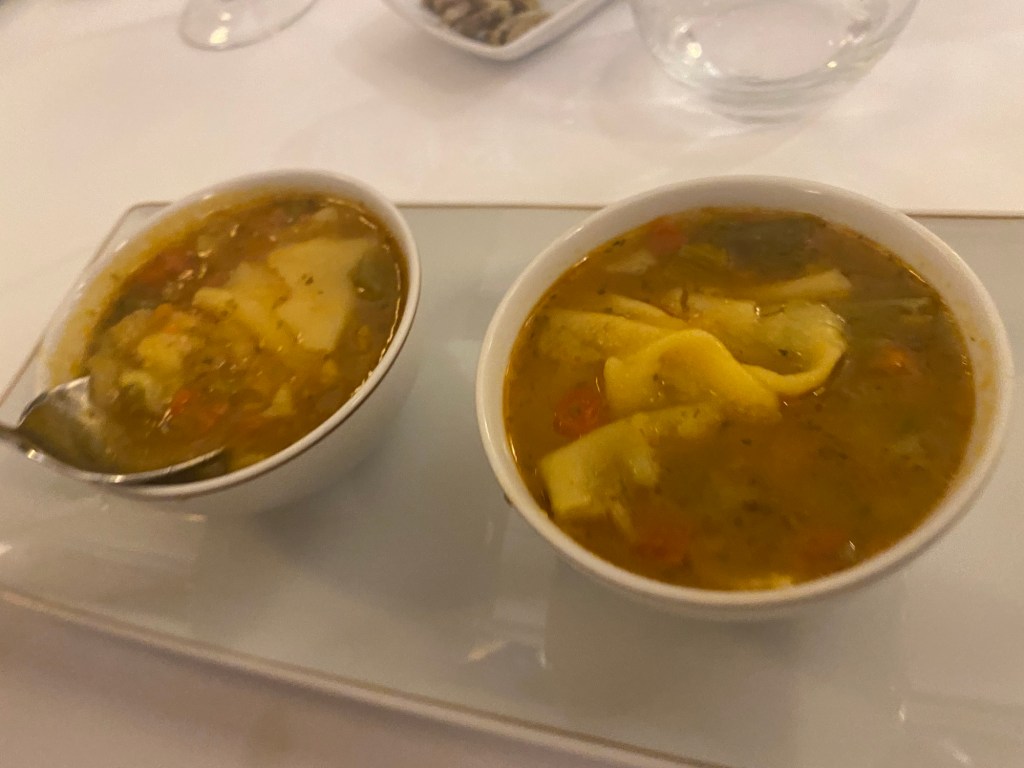
There are also typical dishes from this area of Spain. One of them is called Andrajos. Andrajos date back to the Middle Ages when the people who worked out in the country used whatever that had on hand to elaborate dishes that would help them survive the cold winters in this mountainous area. They are irregular cut flat pieces of pasta made into a stew with pepper, tomato and usually rabbit. We have had them many times in Cazorla but also enjoyed them in the Parador here in Úbeda. It is a nice dish to prepare during these winter months!
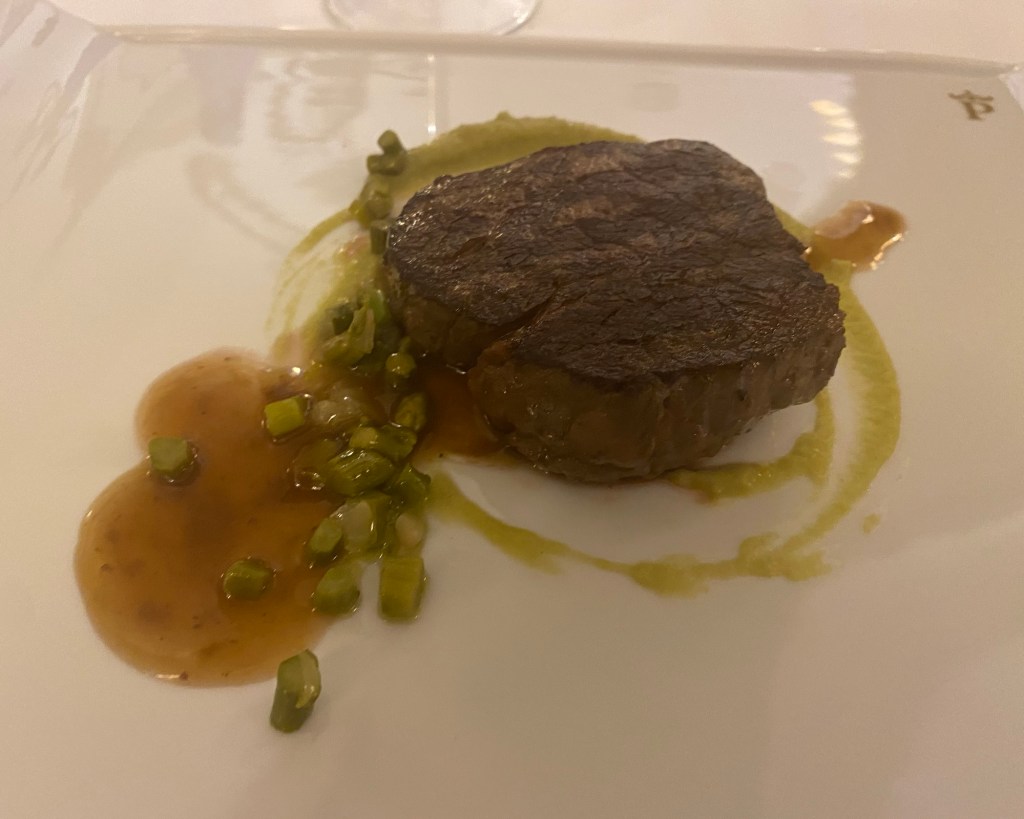
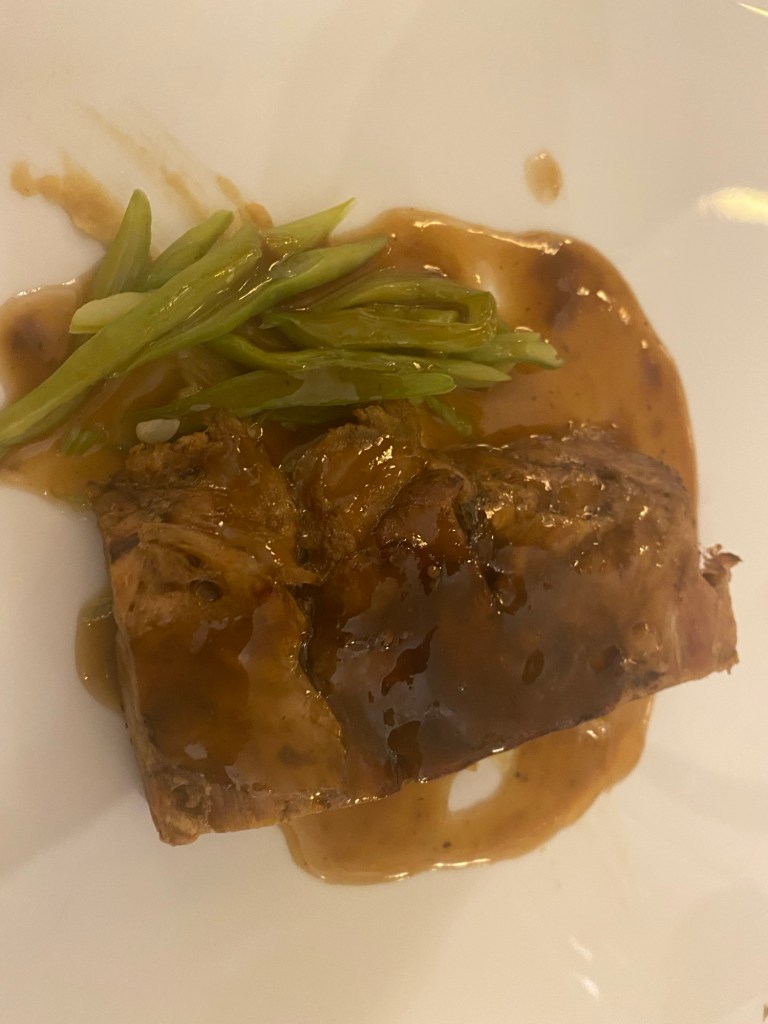
At the Parador both in Úbeda and Cazorla we have had great dishes prepared with local deer and lamb. Here are a couple plates from Úbeda and you can also read about Cazorla in my other post. Buen provecho!
https://mooninspain.com/2020/05/01/cazorla-we-will-take-you-anytime-of-year/
* marchosa – likes to party *traviesa – mischievous


 MOONINSPAIN
Leave a comment